
As the sun begins to warm the earth and blossoms dot the landscape, I can’t help but feel a surge of inspiration in the kitchen. This Spring Pasta Primavera with Fresh Veggies is my go-to dish when I want to celebrate the vibrant flavors of the season. It’s not just a quick and easy weeknight dinner; it’s a delicious way to showcase the best of spring’s bounty. With colorful vegetables like asparagus, cherry tomatoes, and bell peppers tossed together with al dente pasta and a zingy lemon-herb sauce, this recipe brings joy to any table. Plus, it’s adaptable for both vegetarian and vegan diets, ensuring everyone can indulge. So, are you ready to bring a taste of spring to your plate? Let’s dive into this delightful dish!
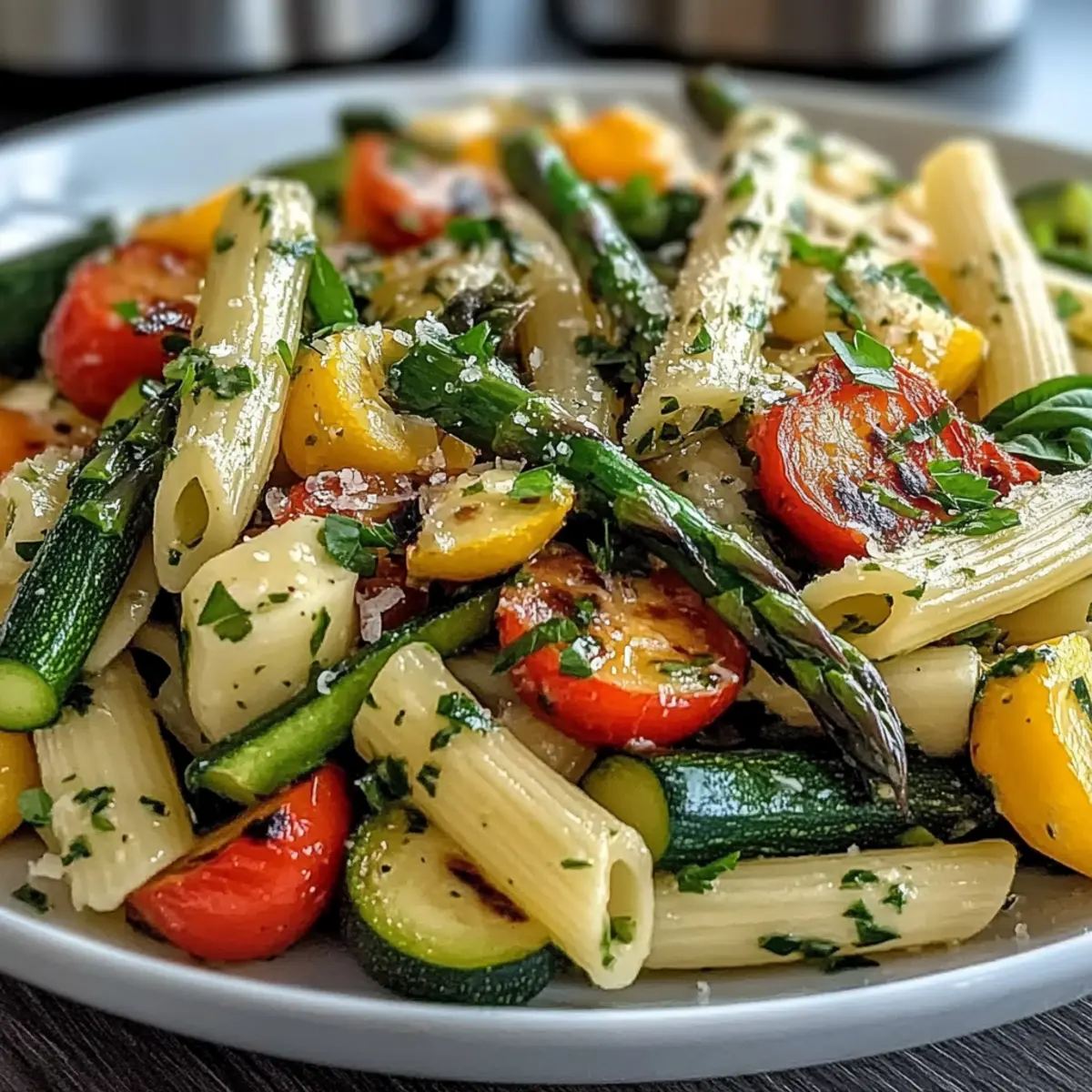
Why is This Pasta Primavera So Special?
Bursting with flavor, this Spring Pasta Primavera showcases a medley of fresh, seasonal veggies that are sure to delight your palate. Quick and easy, it’s perfect for busy weeknights yet impressive enough for entertaining guests. Adaptable for any dietary needs, you can easily make it vegan by swapping out the cheese. Vibrant colors and textures elevate your dining experience, while the light lemon-herb sauce keeps it refreshing. Crowd-pleaser? Absolutely! Share this dish at your next gathering, and it’s sure to brighten everyone’s mood. For more delicious variations, check out my Creamy Garlic Parmesan Chicken Pasta or a comforting Chicken Mozzarella Pasta.
Spring Pasta Primavera Fresh Veggies
• This dish celebrates the vibrant flavors of spring!
For the Pasta
- Penne – Holds the sauce beautifully; feel free to swap with farfalle or any short pasta.
For the Vegetables
- Zucchini – Adds moisture and a tender bite; slice into half-moons for even cooking.
- Yellow Squash – Offers sweetness and a delightful texture; use the same slicing method as zucchini.
- Asparagus – Brings a crunchy element; trim and cut into 2-inch pieces for uniformity.
- Cherry Tomatoes – Introduces juiciness and tang; halve them to help soften during cooking.
- Red Bell Pepper – Adds sweetness and pops of color; thinly slice for easy blending.
- Frozen Peas – Provide a sweet crunch; no need to thaw, they’ll cook quickly.
For the Aromatics
- Garlic – Infuses aroma and flavor; mince it fine for even distribution.
- Shallot – Gives a mild onion essence; chop finely for seamless integration.
For the Fresh Herbs
- Fresh Basil – Imparts a fragrant note; chop just before use for maximum aroma.
- Fresh Parsley – Adds a bright finish; chop finely for both mixing and garnishing.
For the Sauce
- Lemon Zest & Juice – Provides bright acidity; zest the lemon before juicing for the best flavor.
- Extra-Virgin Olive Oil – Contributes richness; consider flavored oils for extra depth.
- Parmesan Cheese – Delivers creaminess; omit or substitute for vegan diets as needed.
For Seasoning
- Salt & Pepper – Essential for enhancing flavors; adjust to your taste.
- Red Pepper Flakes – Optional heat; sprinkle according to your preference for spice.
Enjoy creating this Spring Pasta Primavera with fresh veggies that bursts with flavor!
Step‑by‑Step Instructions for Spring Pasta Primavera Fresh Veggies
Step 1: Cook the Pasta
Begin by bringing a large pot of salted water to a rolling boil over high heat. Add your choice of penne or farfalle to the water and cook until al dente, usually about 8-10 minutes. Reserve ½ cup of the pasta cooking water, then drain the pasta in a colander. Set it aside while the Spring Pasta Primavera sauce comes together.
Step 2: Prepare the Aromatics
In a large skillet, heat 2 tablespoons of extra-virgin olive oil over medium heat. Once the oil shimmers, add the minced garlic and finely chopped shallot. Sauté for about 1 minute until aromatic and the shallots appear translucent. This fragrant base will infuse your Spring Pasta Primavera with essential flavors.
Step 3: Sauté the Vegetables
Next, add the sliced zucchini, yellow squash, asparagus pieces, and thinly sliced red bell pepper to the skillet. Cook these vibrant vegetables for 4-5 minutes, stirring gently, until they are tender yet maintain a lively color. The goal is to keep them crisp so they perfectly complement the pasta.
Step 4: Add Tomatoes and Peas
Stir in the halved cherry tomatoes and frozen peas, cooking for an additional 2-3 minutes. You’ll notice the tomatoes softening and releasing their juices, which will enhance the overall flavor of your Spring Pasta Primavera. Keep the mixture moving to evenly distribute the heat.
Step 5: Combine Pasta and Vegetables
Add the drained pasta back into the skillet, gently tossing everything together to combine. If the mixture feels dry, gradually incorporate the reserved pasta water to achieve your desired consistency. This step ensures that each bite of your Spring Pasta Primavera is coated in delicious sauce.
Step 6: Finish with Herbs and Seasoning
Remove the skillet from heat and stir in the lemon zest and juice, chopped fresh basil, and parsley. Drizzle with any remaining olive oil for added richness. Season with salt, pepper, and optional red pepper flakes to taste, giving your Spring Pasta Primavera a vibrant burst of flavor.
Step 7: Add Cheese and Serve
To finish, fold in the grated Parmesan cheese until melted and well combined. Serve your Spring Pasta Primavera immediately while it’s warm, garnishing with extra herbs and cheese as desired. This colorful dish is sure to be a hit at your table, celebrating the joys of fresh veggies!
Make Ahead Options
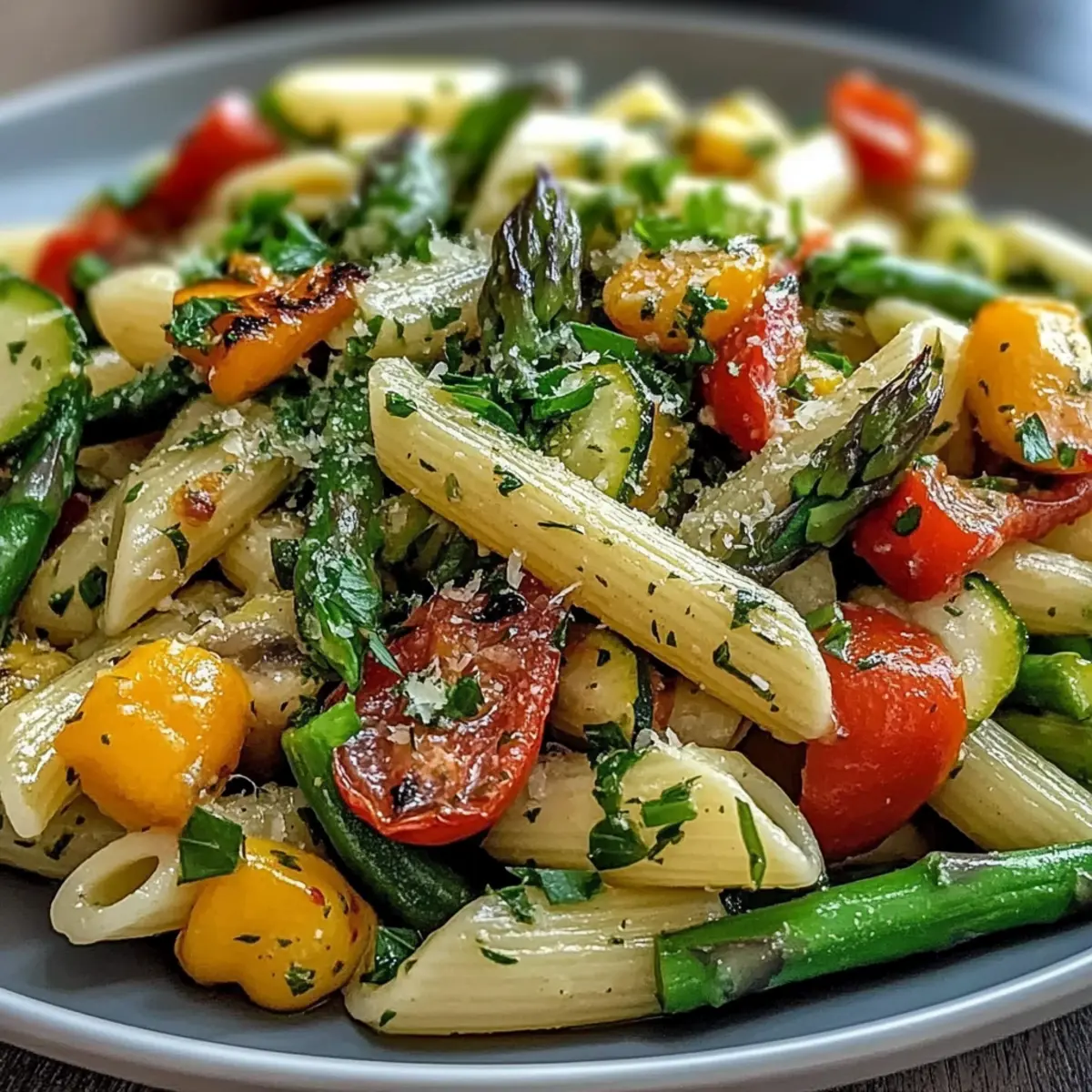
These Spring Pasta Primavera Fresh Veggies are perfect for meal prep enthusiasts! You can chop and prepare all your fresh vegetables up to 3 days in advance, storing them in airtight containers in the refrigerator to maintain their crunch and color. Cook the pasta slightly under-al dente, as it will finish cooking when combined with the vegetables. When you’re ready to serve, simply sauté the prepared vegetables as directed, and toss in the cooked pasta along with the lemon and herbs. This time-saving approach allows you to enjoy a quick yet delicious meal, keeping your weeknight dinners stress-free and flavorful!
How to Store and Freeze Spring Pasta Primavera Fresh Veggies
Fridge: Store leftover Spring Pasta Primavera in an airtight container for up to 3 days. Allow it to cool to room temperature before sealing to maintain freshness.
Freezer: If you want to freeze, pack the dish in a freezer-safe container for up to 2 months. However, keep in mind that some vegetables may lose texture when reheated.
Reheating: To reheat, thaw in the refrigerator overnight and warm gently in a skillet over low heat, adding a splash of olive oil or reserved pasta water to refresh the sauce.
Make-Ahead: You can also prep your vegetables a day ahead and store them in the fridge. This makes throwing together your Spring Pasta Primavera on a busy weeknight a breeze!
Spring Pasta Primavera Fresh Veggies Variations
Feel free to get creative with your Spring Pasta Primavera—there are endless ways to customize this delightful dish!
-
Vegan Delight: Swap Parmesan for nutritional yeast or a plant-based cheese to make a creamy, dairy-free version. This alteration gives you that cheesy flavor without the calories!
-
Noodle Change-Up: Use whole wheat or gluten-free pasta for a healthier twist or for accommodating dietary needs. Your dish will still shine with flavor no matter the pasta choice!
-
Extra Greens: Toss in fresh baby spinach or snap peas just before serving for added crunch and nutrients. These vibrant greens enhance both color and healthiness beautifully.
-
Flavor Boost: Add sun-dried tomatoes or olives for an extra pop of umami and texture. These ingredients add an exciting flavor dimension that elevates the entire dish.
-
Spicy Kick: Include a pinch of cayenne pepper or sliced jalapeños for an exciting heat level. Perfect for those who enjoy a bit of spice in their meal!
-
Texture Variety: Incorporate toasted pine nuts or walnuts for a satisfying crunch. This provides a delightful contrast to the al dente pasta and fresh veggies.
-
Seasonal Swap: Use whatever vegetables are in season; think about broccoli, asparagus, or even roasted carrots to personalize this dish further. Fresh produce will shine at any table!
-
Creamy Twist: Stir in a dollop of cream or a splash of coconut milk for a rich, luxurious feel that contrasts nicely with the vibrant veggies. This creaminess wraps everything in comfort!
For more inspiration, why not try my Creamy Garlic Parmesan Chicken Pasta or a comforting Garlic Butter Pasta next? Happy cooking!
What to Serve with Spring Pasta Primavera Fresh Veggies
This delightful dish is just the beginning of a beautiful spring meal that will awaken your senses and nourish your soul.
-
Garlic Bread: The warm, buttery crunch of garlic bread is perfect for soaking up the vibrant lemon-herb sauce. Its savory flavor complements the freshness of the pasta beautifully.
-
Crisp Green Salad: A light, refreshing salad made with mixed greens, cucumber, and avocado offers a crunchy contrast, enhancing the meal’s overall freshness. Drizzle with a tangy vinaigrette for extra zest.
-
Grilled Lemon-Herb Chicken: For those craving protein, grilled chicken marinated in lemon and herbs pairs wonderfully with the pasta, adding a savory depth while still keeping things light.
-
Roasted Vegetables: Elevate your table with a platter of roasted seasonal veggies. Their caramelized sweetness balances the bright flavors of your Spring Pasta Primavera.
-
Sparkling Water with Citrus: A refreshing drink like sparkling water infused with lemon and lime enhances the dining experience, cleansing the palate between bites.
-
Cheesecake Bites: For a sweet finish, light cheesecake bites topped with fresh berries offer a creamy texture that beautifully contrasts the vibrant flavors of the meal. These delightful sweets are perfect for celebrating spring!
Tips for the Best Spring Pasta Primavera
-
Prep Ahead: Chop your vegetables ahead of time to streamline cooking, making the Spring Pasta Primavera process quicker and easier.
-
Al Dente: Cook your pasta just to al dente; it will continue to cook when tossed with the hot vegetables, preventing a mushy texture.
-
Flavor Layering: Use fresh herbs like basil and parsley at the end for maximum flavor; add dried herbs earlier in the cooking process for a more intense taste.
-
Vibrant Vegetables: Choose a variety of colors and textures to create a visually appealing and delicious dish; remember, fresh veggies make all the difference!
-
Cheese Choice: If making the dish vegan, omit Parmesan or use a nut-based alternative to still enjoy that creamy finish.
-
Spice It Up: Adjust red pepper flakes according to your spice preference for a personalized kick in your Spring Pasta Primavera!
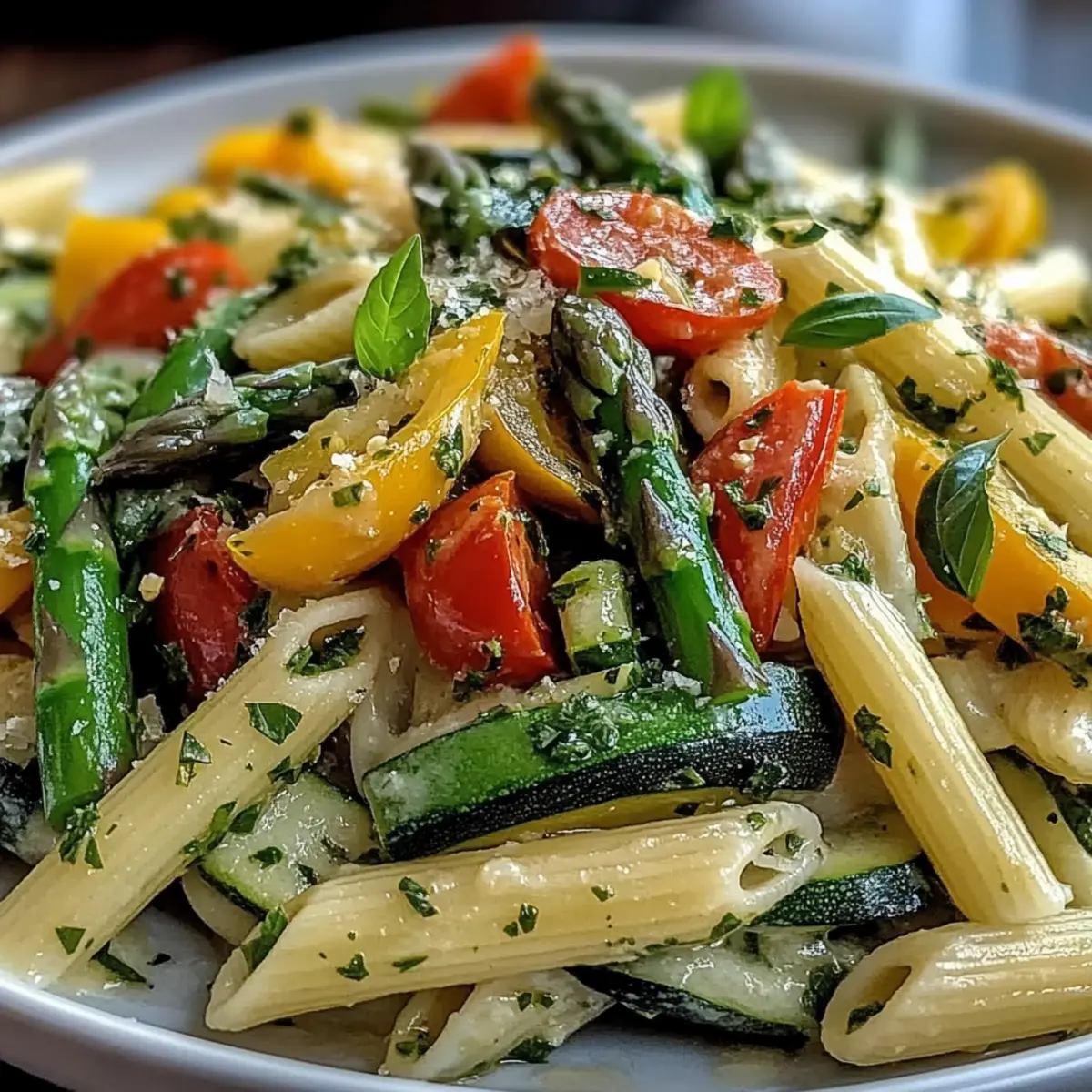
Spring Pasta Primavera Fresh Veggies Recipe FAQs
What vegetables should I use in my Spring Pasta Primavera?
Absolutely! This dish is all about showcasing fresh, seasonal produce. You can use a variety of vegetables such as zucchini, asparagus, bell peppers, and cherry tomatoes. For added color and nutrition, try including snap peas, spinach, or even broccoli. The choice is yours; feel free to mix and match based on what’s fresh and available!
How do I store leftovers from the Spring Pasta Primavera?
I recommend storing any leftovers in an airtight container in the fridge for up to 3 days. Make sure to let the pasta cool to room temperature before sealing it up to help maintain that fresh taste. If you want to save it for longer, consider freezing it!
Can Spring Pasta Primavera be frozen?
Very! You can freeze your Spring Pasta Primavera for up to 2 months. Just pack it in a freezer-safe container, ensuring it’s sealed tightly. When you’re ready to enjoy, let it thaw in the refrigerator overnight, then reheat gently in a skillet, adding a splash of olive oil or reserved pasta water to restore its creamy texture.
What should I do if my pasta is overcooked?
No worries! If your pasta ends up overcooked, here’s how to salvage it. Drain the pasta and rinse it under cold water to stop the cooking process. You can also toss it with a bit of olive oil before adding it to the vegetables. Although it won’t have that perfect al dente bite, the flavorful sauce and fresh veggies can still make it quite enjoyable!
Is this recipe suitable for people with dietary restrictions?
Absolutely! The Spring Pasta Primavera is naturally vegetarian and can easily be made vegan by omitting the Parmesan cheese or substituting with a plant-based alternative. Always check for any specific allergies in your ingredients, especially when adding things like nuts or cheese if you’re catering to guests with dietary sensitivities.
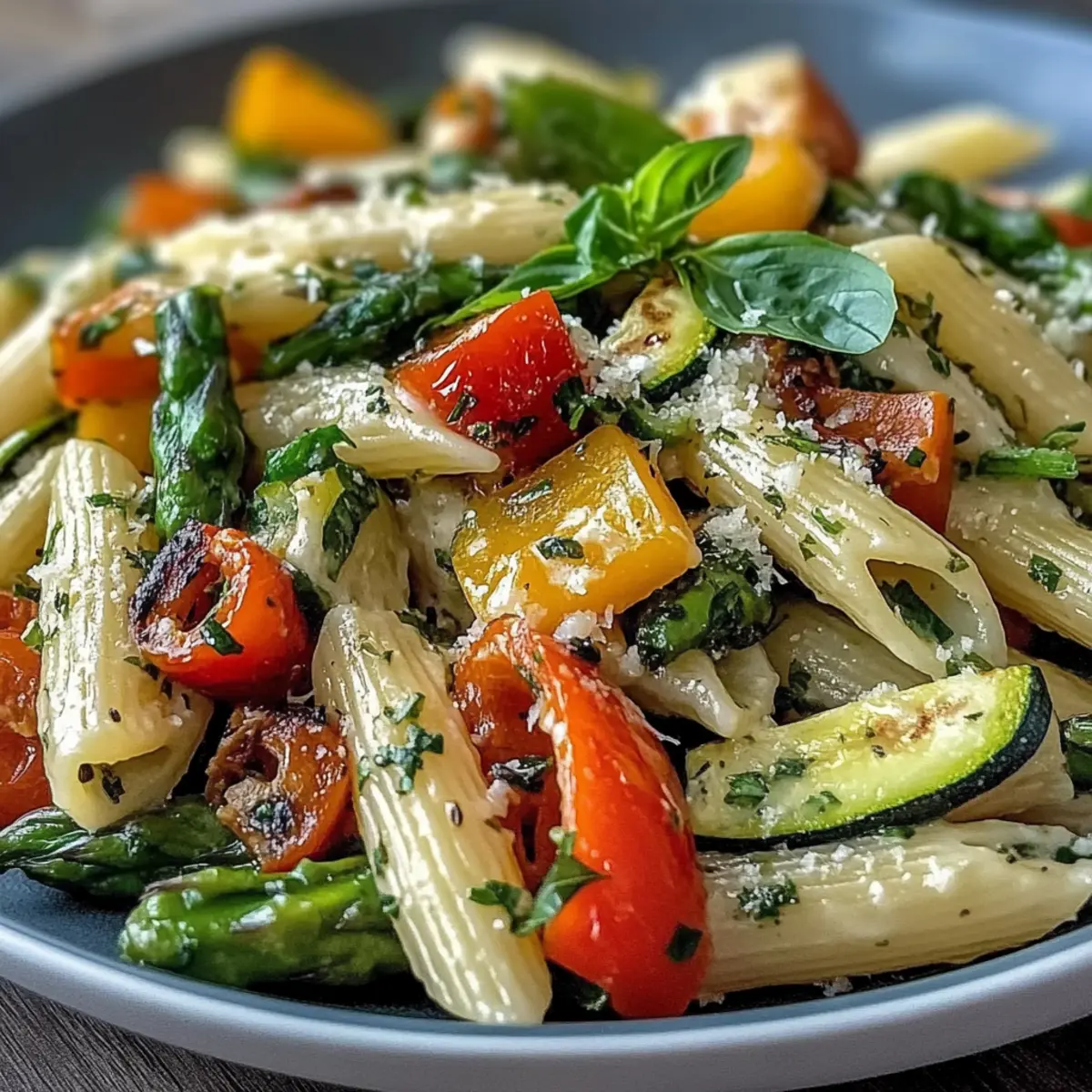
Spring Pasta Primavera Fresh Veggies That's Bursting with Flavor
Ingredients
Equipment
Method
- Cook the Pasta: Boil salted water, add penne or farfalle, and cook for 8-10 minutes until al dente. Reserve ½ cup cooking water, then drain.
- Prepare the Aromatics: Heat olive oil in a skillet. Sauté garlic and shallot for 1 minute until translucent.
- Sauté the Vegetables: Add zucchini, yellow squash, asparagus, and bell pepper. Cook for 4-5 minutes until tender.
- Add Tomatoes and Peas: Stir in cherry tomatoes and frozen peas, cooking for 2-3 minutes until softened.
- Combine Pasta and Vegetables: Add the drained pasta, tossing to combine. Gradually add reserved pasta water if needed.
- Finish with Herbs and Seasoning: Stir in lemon zest and juice, basil, and parsley. Season with salt, pepper, and red pepper flakes.
- Add Cheese and Serve: Fold in Parmesan until melted. Serve warm with extra herbs and cheese.
Leave a Reply