
As I stood in my kitchen, the tantalizing aroma of baking eggs wafted through the air, making me momentarily forget my busy morning. Baked French Eggs are not just a breakfast; they’re a celebration of simplicity and flavor, offering the perfect high-protein start to your day. This easy recipe allows you to whip up a batch in a muffin pan, prepping to 12 eggs simultaneously—making it a fantastic option for family brunches or a solo indulgence on a relaxed weekend morning. Plus, the versatility means you can get creative, adding your favorite ingredients to suit any palate. Are you ready to elevate your breakfast game with these delightful baked eggs? Let’s dive in!
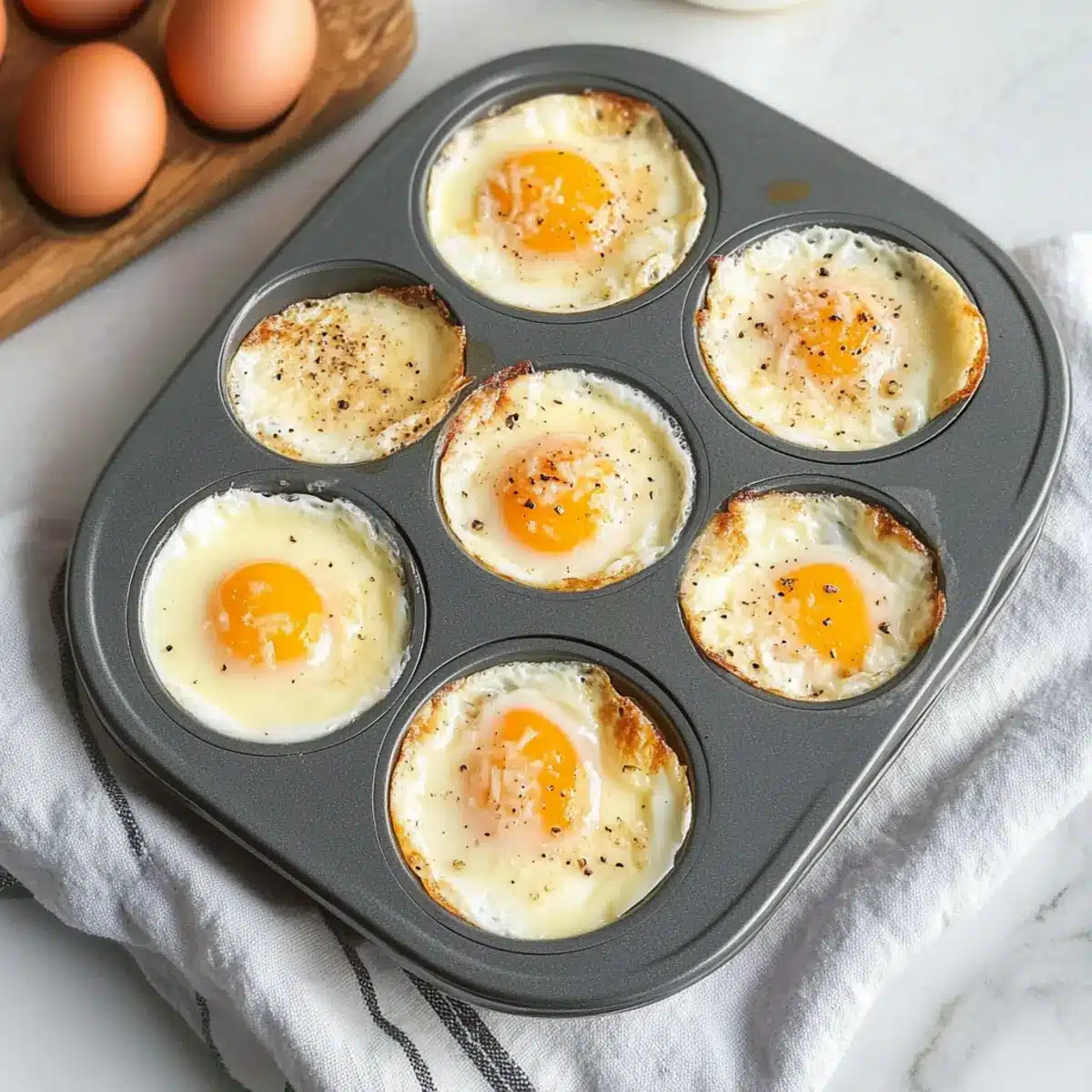
Why are Baked French Eggs a must-try?
Simplicity, this recipe comes together in mere minutes, perfect for busy mornings. Versatile, you can easily tweak the ingredients based on what you have on hand—try omitting the cheese or adding sautéed veggies! Creamy texture ensues from the heavy cream, elevating your breakfast to gourmet status. Plus, crowd-pleasing and family-friendly, these eggs can satisfy even the pickiest eaters. For more easy and delicious breakfast ideas, check out my Banana Baked Oatmeal or for a savory twist, try the hearty French Dip Squares. Get ready to savor a unique breakfast experience!
Baked French Eggs Ingredients
-
For the Eggs
-
Large Eggs – The main star bringing structure and protein; use large eggs for consistency.
-
Salt – Enhances flavor; adjust according to personal preference.
-
Black Pepper – Adds a mild kick; freshly cracked offers the best taste.
-
For the Creamy Base
-
Heavy Cream – Ensures a rich, custard-like texture; ideal for Baked French Eggs.
Substitution Note: Melted butter can substitute for heavy cream for a unique twist. -
Parmesan Cheese – Introduces a savory depth; sprinkle generously for added creaminess.
Substitution Note: Try Gruyere or feta cheese for a flavor change-up. -
Optional Add-Ons
-
Sautéed Vegetables – Zucchini, bell peppers, or spinach can boost nutrition and flavor.
-
Herbs – Fresh parsley, chives, or thyme add freshness; customize to your taste.
-
Crushed Red Pepper Flakes – For a spicy kick that transforms your dish into a flavor explosion.
Now you have everything you need to create these delightful Baked French Eggs! Enjoy the process and the delicious results!
Step‑by‑Step Instructions for Baked French Eggs
Step 1: Preheat the Oven
Begin by preheating your oven to 425°F (220°C) to create the perfect environment for your Baked French Eggs. Allow the oven to fully reach this temperature, ensuring that the eggs cook evenly and achieve that beautiful custard-like texture. While the oven heats up, gather your muffin pan and cooking spray for the next steps.
Step 2: Prepare the Muffin Pan
Once your oven is ready, take a muffin pan and generously spritz it with butter-flavored cooking spray. This helps prevent sticking and ensures easy removal of the Baked French Eggs after they’re cooked. Make sure to coat each cup well, as this will contribute to the lovely edges on your eggs, giving them a slight crispness.
Step 3: Crack the Eggs
Carefully crack one large egg into each muffin cup of your prepared pan. Ensure that the eggs are fresh, as this will enhance both the flavor and presentation of your Baked French Eggs. As you work, take a moment to admire the bright yellow yolks, which promise to create a rich and satisfying dish when baked.
Step 4: Add the Cream
Drizzle 1-2 teaspoons of heavy cream over each egg, or use melted butter for a different flavor twist. This addition is essential for achieving the creamy, custard-like consistency that makes Baked French Eggs so delightful. Watch as the cream coats the eggs, adding an inviting richness that takes your breakfast to the next level.
Step 5: Season the Eggs
Sprinkle salt and freshly cracked black pepper over the eggs to enhance their natural flavor. Adjust the seasoning to suit your taste preferences, keeping in mind that a little can go a long way. This step is vital, as it elevates your Baked French Eggs and makes them a truly satisfying breakfast option.
Step 6: Add Parmesan Cheese
Generously sprinkle approximately 1 tablespoon of Parmesan cheese on top of each egg. This layer adds a nutty, savory depth that beautifully complements the creaminess of the eggs. The cheese will melt and create a deliciously golden crust atop your Baked French Eggs, making them irresistibly tasty.
Step 7: Bake the Eggs
Place the muffin pan in your preheated oven and bake for 7-12 minutes, depending on your desired level of doneness. For soft yolks, aim for 7-8 minutes; for semi-soft, go for 9-10 minutes; and for firm yolks, allow 11-12 minutes. Keep an eye on them as they bake, and look for just-set whites and slightly jiggly yolks.
Step 8: Serve and Garnish
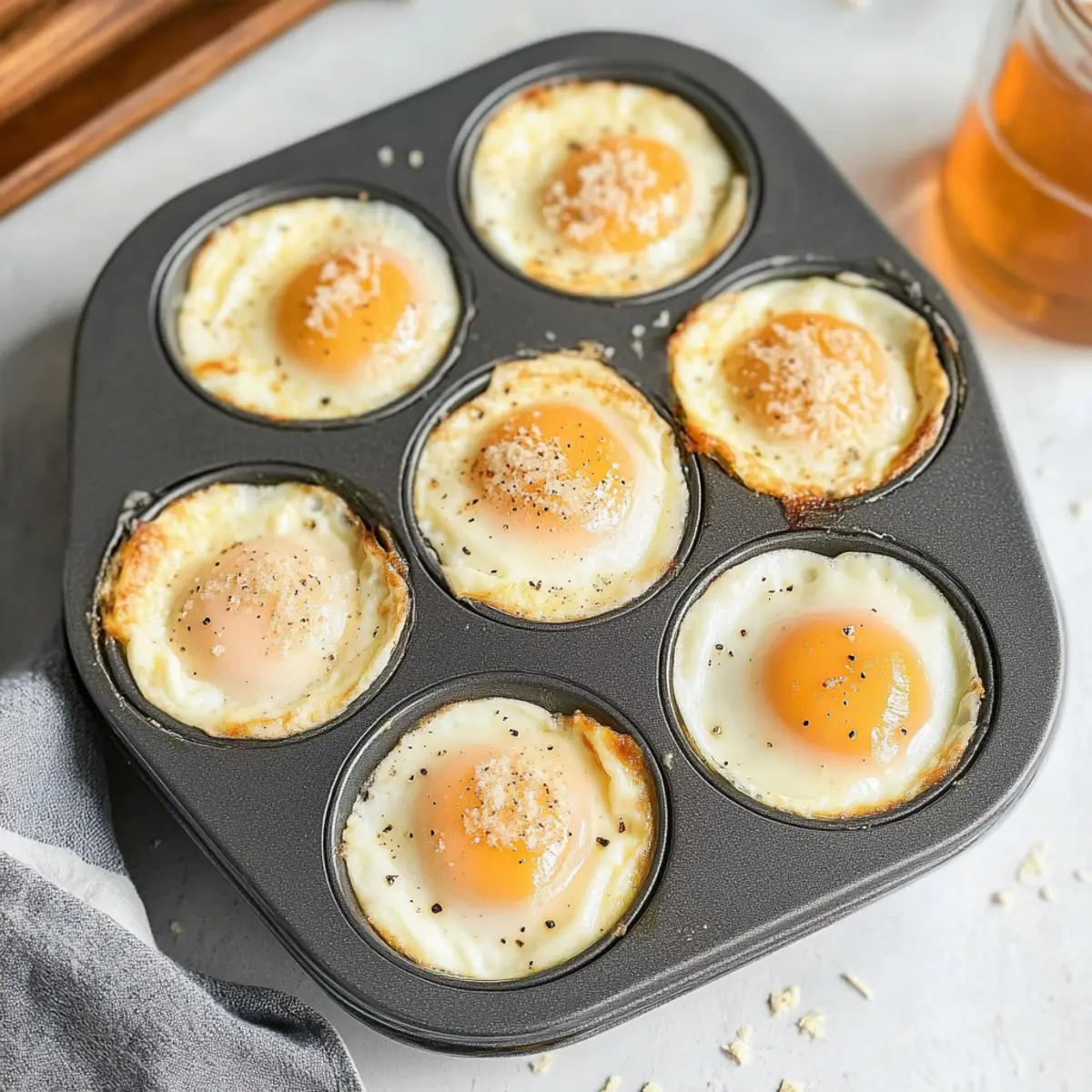
Once baked to perfection, remove the muffin pan from the oven and let it cool slightly. Use a small spatula to gently lift each Baked French Egg out of the pan, placing them on a serving plate. For an extra touch, sprinkle a bit more Parmesan cheese on top before serving immediately, savoring the rich aroma and deliciousness of your creation.
Make Ahead Options
These Baked French Eggs are a fantastic choice for meal prep enthusiasts! You can crack the eggs into the muffin pan and drizzle them with cream (or melted butter) up to 24 hours in advance, storing the prepared pan covered in the refrigerator to maintain freshness. Seasoning and adding cheese can be done just before baking, ensuring the eggs remain deliciously creamy. For best results, bake your Baked French Eggs right before serving, cooking them for 7-12 minutes based on your preferred doneness. This approach not only saves you time on busy mornings but ensures your breakfast is just as satisfying and delightful!
How to Store and Freeze Baked French Eggs
Fridge: Store any leftover Baked French Eggs in an airtight container in the refrigerator for up to 3 days. This keeps them fresh while ensuring you can enjoy them as a quick breakfast option.
Freezer: For longer storage, freeze the baked eggs in a single layer on a baking sheet before transferring them to an airtight freezer bag. They can last in the freezer for up to 2 months.
Reheating: To reheat, simply place the eggs in a preheated oven at 350°F (175°C) for 10-15 minutes, or microwave them on low for a couple of minutes until heated through, preserving their original texture.
Serving Tip: Enjoy Baked French Eggs warm, perhaps with a sprinkle of fresh herbs or extra cheese to revive that delightful flavor!
Variations & Substitutions for Baked French Eggs
Feel free to explore your culinary creativity and make these Baked French Eggs your own!
- Vegetarian Delight: Add sautéed mushrooms, spinach, or bell peppers for a nutritious boost. Each bite is packed with flavor!
- Dairy-Free Option: Substitute heavy cream with coconut cream or unsweetened almond milk. This twist gives a unique taste while keeping it plant-based.
- Cheese Swap: Use goat cheese, cream cheese, or sharp cheddar instead of Parmesan for a creamier texture and different flavor profile.
- Herb Infusion: Incorporate fresh herbs like thyme, chives, or rosemary for an aromatic experience. The fragrance enhances the overall presentation and taste!
- Spice It Up: Stir in crushed red pepper flakes or a dash of hot sauce to bring a fiery kick to your morning. It adds excitement to the dish without overpowering the core flavors.
- Protein Boost: Mix in diced cooked bacon or ham for a heartier breakfast. The savory meat complements the eggs beautifully, making it a filling morning treat.
- Muffin-Well Lining: Line muffin cups with slices of ham or a bed of fresh spinach before adding the egg. This adds flavor while creating a gorgeous presentation.
- Savory Bake: Try adding a dollop of pesto or tapenade before baking for a Mediterranean twist. The bold flavors will transport you straight to the sunny coasts!
No matter which variation you choose, these Baked French Eggs are sure to please! Don’t forget to check out my delicious Banana Baked Oatmeal for more breakfast ideas or indulge in the savory goodness of French Dip Squares for a scrumptious weeknight dinner!
Expert Tips for Baked French Eggs
-
Use Fresh Eggs: Fresh eggs yield firmer whites and richer flavors, ensuring your Baked French Eggs come out perfectly every time.
-
Watch the Time: Ovens can vary, so keep a close eye while baking. This will help avoid overcooking and ensure soft, luscious yolks.
-
Experiment with Cheese: Don’t hesitate to mix cheeses! Combining Parmesan with goat cheese can elevate your Baked French Eggs to a new level of flavor.
-
Add Greens for Nutrition: Incorporating spinach or arugula can enhance the nutritional value without compromising on taste.
-
Mind the Muffin Pan: Properly greasing your muffin pan prevents sticking; removing the eggs while they’re still warm can help them slide out more easily.
What to Serve with Baked French Eggs?
Enhancing your breakfast experience is easy with these delightful pairings that complement the creamy, high-protein Baked French Eggs.
- Crusty Sourdough Bread: The chewy texture and tangy flavor provide the perfect vehicle to scoop up the rich eggs.
- Sautéed Spinach: Fresh and vibrant, sautéed spinach adds a nutritious green element that balances the richness of the eggs.
- Crispy Bacon: The smoky, salty crunch of crispy bacon brings the classic breakfast dynamic to life, making every bite irresistible.
- Roasted Cherry Tomatoes: Their juicy sweetness enhances the savory flavors of the eggs while adding a pop of color to your plate.
- Herbed Avocado Toast: Creamy avocado is a beautiful complement, bringing healthy fats and a smooth texture that pairs perfectly with the eggs.
- Fresh Fruit Salad: A refreshing medley of seasonal fruit adds a bright contrast to the hearty Baked French Eggs, rounding out the meal with sweetness.
- Cold Brew Coffee: Smooth and refreshing, a chilled coffee balances the warm, savory components of your breakfast, making it a delightful morning treat.
Each of these suggestions beautifully enhances the Baked French Eggs, setting the stage for a memorable and satisfying breakfast!
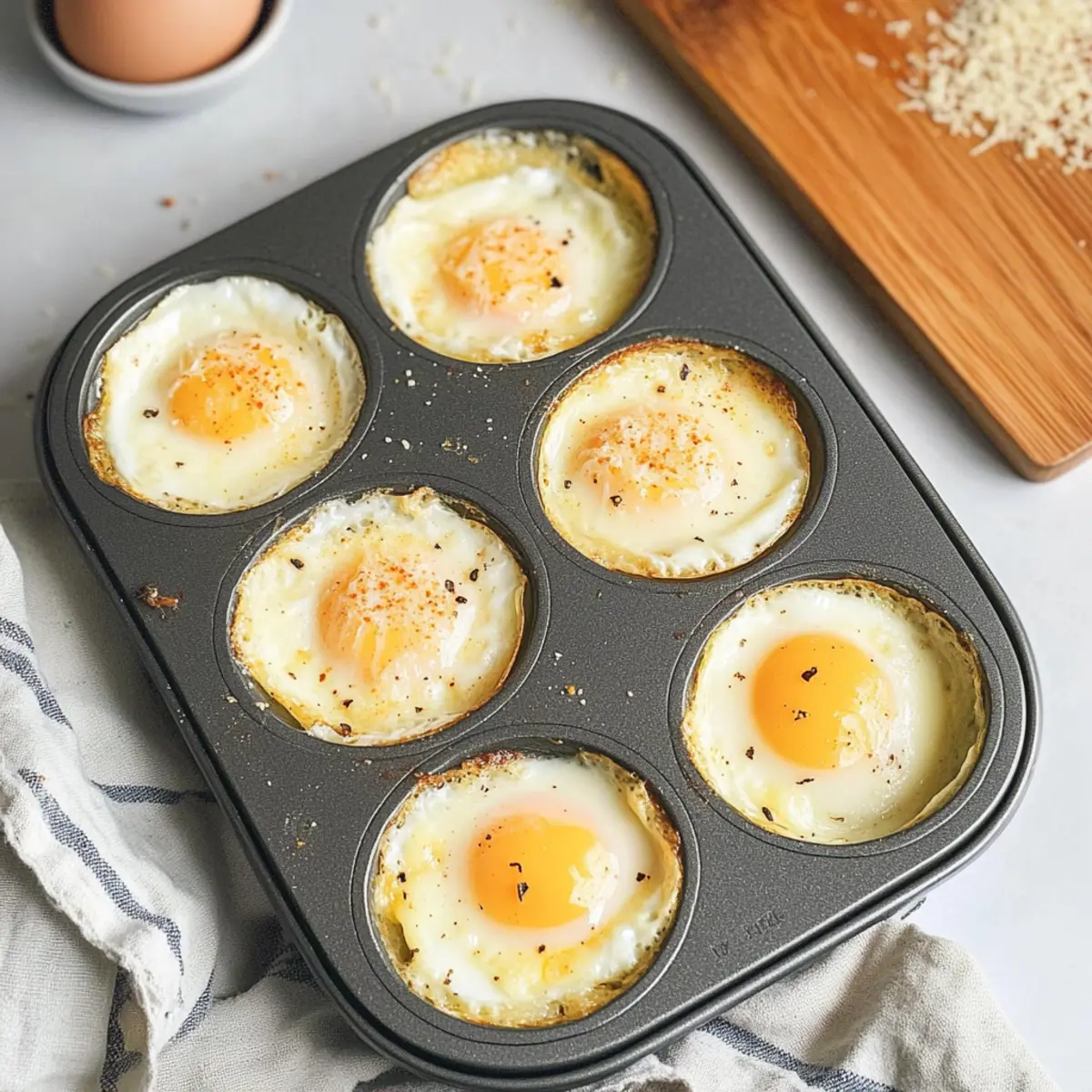
Baked French Eggs Recipe FAQs
What type of eggs should I use for Baked French Eggs?
Using large eggs is best for consistent baking times and results. However, you can use medium or extra-large eggs; just be sure to adjust the baking time slightly based on the size.
How should I store leftover Baked French Eggs?
Leftovers can be stored in an airtight container in the refrigerator for up to 3 days. Make sure they cool completely before sealing the container to maintain freshness.
Can I freeze Baked French Eggs?
Absolutely! For freezing, let the baked eggs cool completely, then arrange them in a single layer on a baking sheet. Once frozen, transfer them to an airtight freezer bag, where they can last for up to 2 months. This way, you can always have a high-protein breakfast ready to go!
How can I reheat Baked French Eggs?
To reheat, preheat your oven to 350°F (175°C). Place the eggs on a baking sheet and cover loosely with foil. Heat for about 10-15 minutes, or until warmed through. Alternatively, you can microwave them on low power for a couple of minutes. Keep an eye on them to avoid overcooking!
Are Baked French Eggs safe for pets?
While plain eggs can be safe for pets, ingredients like heavy cream, cheese, or seasoning might not be suitable for them. Always consult your veterinarian before sharing human food with your furry friends to ensure their safety.
What if I overcooked my Baked French Eggs?
If you find your Baked French Eggs overcooked, they may turn rubbery. Be sure to monitor the baking time closely, adjusting for your specific oven. For future attempts, take them out just as the whites are set but the yolks remain slightly jiggly, ensuring a creamy center.
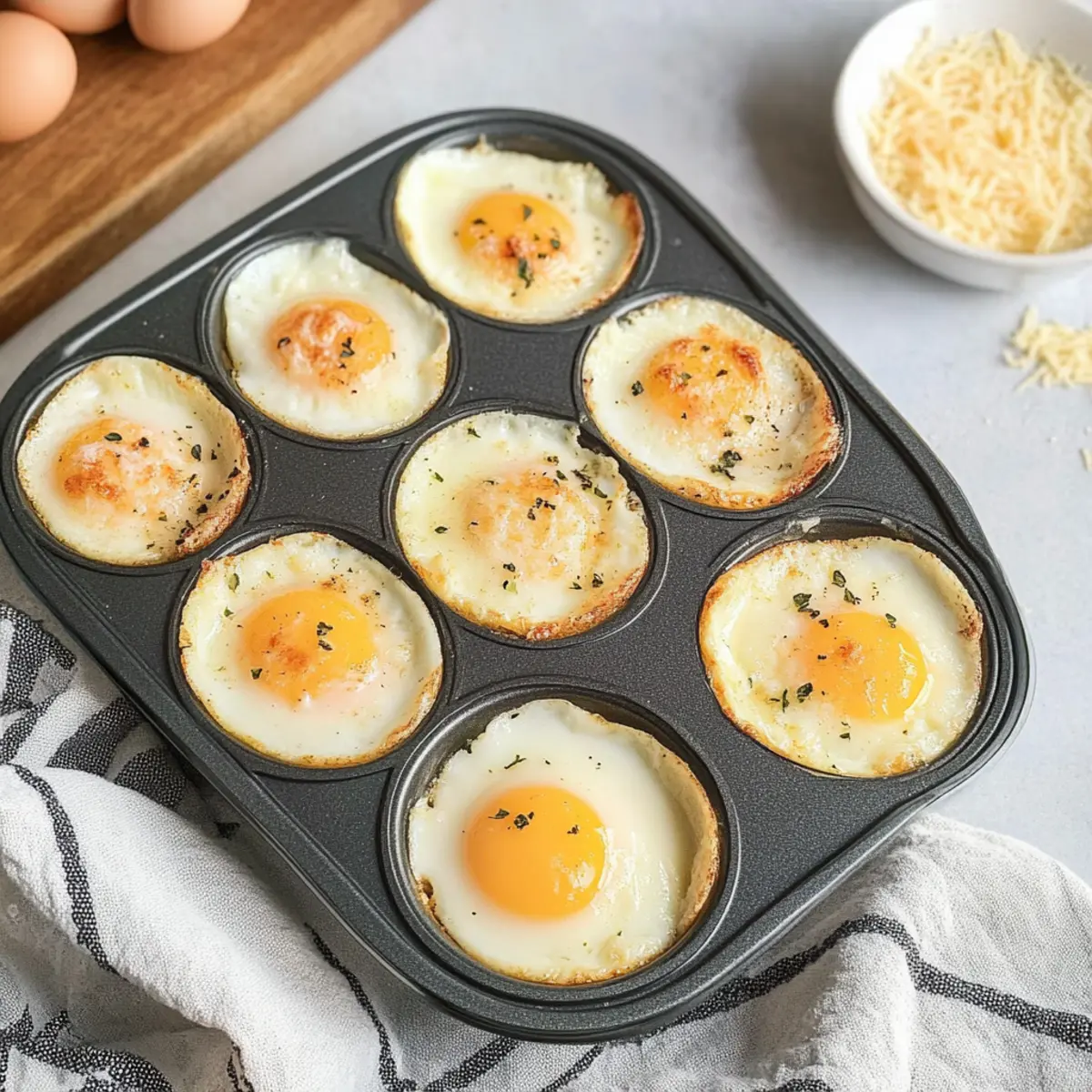
Baked French Eggs: A Creamy, Easy Breakfast Treat
Ingredients
Equipment
Method
- Preheat your oven to 425°F (220°C).
- Prepare a muffin pan with butter-flavored cooking spray.
- Crack one large egg into each muffin cup.
- Drizzle 1-2 teaspoons of heavy cream over each egg.
- Season with salt and freshly cracked black pepper.
- Sprinkle approximately 1 tablespoon of Parmesan cheese on top of each egg.
- Bake for 7-12 minutes depending on desired doneness.
- Remove from the oven and cool slightly before serving.
Leave a Reply