
As I stood in the kitchen, the tantalizing aroma of garlic and herbs filled the air, whisking me away to the sun-kissed shores of Greece. This is where my journey with Greek Healing Soup began, a nourishing vegetarian delight that not only warms the soul but also lifts the spirit. Packed with vibrant veggies, including chickpeas, carrots, and leafy greens, this immune-boosting masterpiece is easy to whip up and perfect for meal prep. Imagine savoring each spoonful of hearty goodness, knowing it’s brimming with nutrients and flavor! Whether you’re a seasoned home chef or just looking to escape the fast-food rut, this recipe will not disappoint. Are you ready to dive into a bowl of this Mediterranean magic?
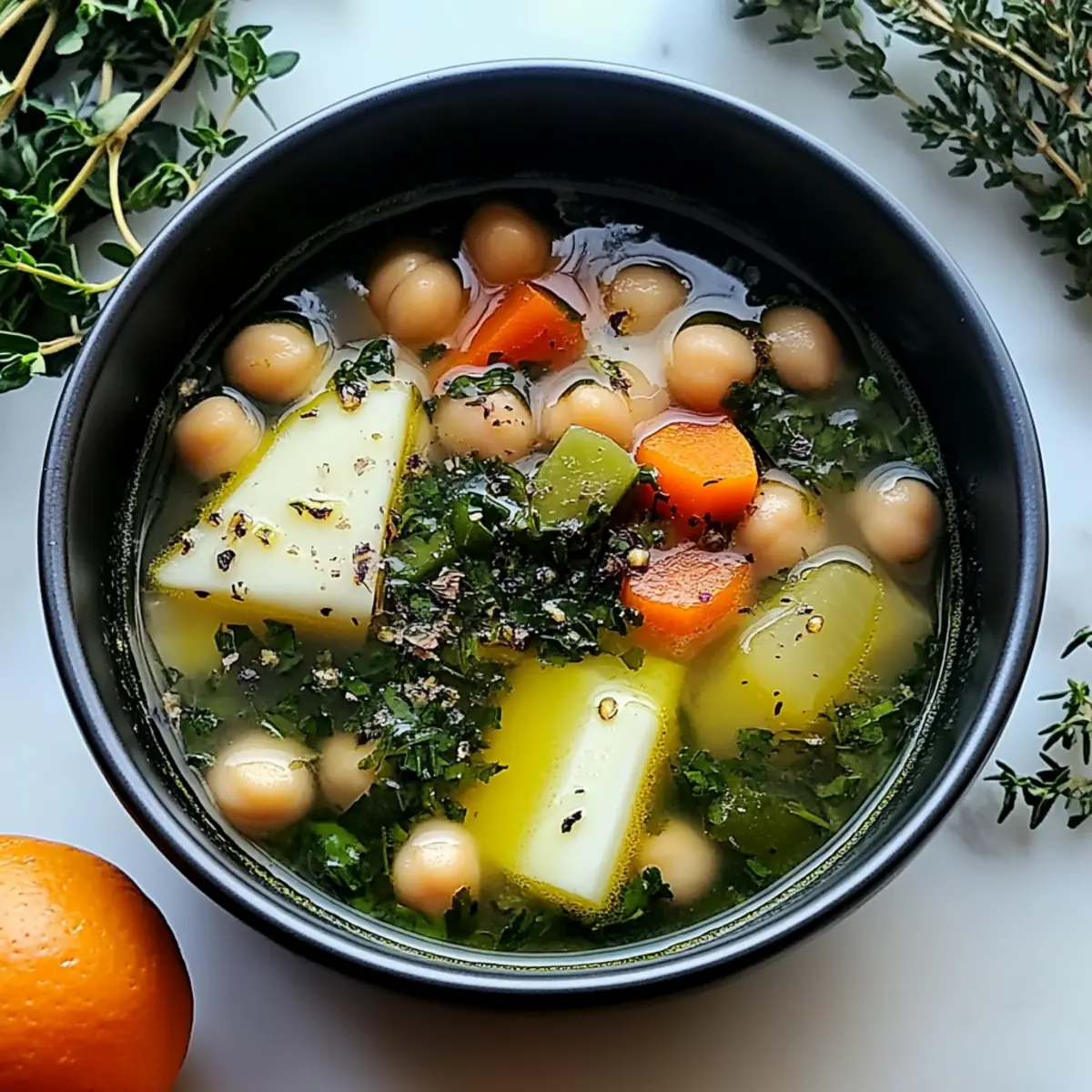
Why is Greek Healing Soup a Must-Try?
Vibrant Flavors: Each spoonful bursts with fresh herbs and crisp vegetables, creating a delightful medley that dances on your palate.
Immune-Boosting Benefits: Packed with nutrient-rich ingredients, this soup is your perfect ally for staying healthy year-round.
Meal Prep Friendly: Make a big batch and enjoy easy lunches throughout the week—perfect for busy days!
Hearty Yet Light: With chickpeas and fresh greens, the texture is both satisfying and refreshing, making it an ideal choice for any meal.
Customizable Goodness: Easily swap in your favorite veggies or grains to suit your taste or what you have on hand. Try adding lentils for a protein boost!
Pair this nutritious delight with a slice of crusty bread or enjoy it alongside a fresh salad for a fulfilling meal. If you’re looking for more comforting options, check out my recipes for Healing Chicken Soup or Chicken Enchilada Soup.
Greek Healing Soup Ingredients
• Dive into the heart of this nourishing dish!
For the Base
- Olive Oil – Enhances flavor and adds richness to the broth; feel free to use avocado oil for a different taste.
- Onion – Provides a base flavor and sweetness to the soup; shallots are a great substitute if desired.
- Garlic – Adds a fragrant note that enhances the soup’s depth; freshly minced garlic works best.
For the Veggies
- Carrots – Brings sweetness and a vibrant color; parsnips can be used for a different flavor profile.
- Celery – Adds crunch and aromatic flavor; fennel or bell peppers can serve as replacements.
- Potato – Provides creaminess and body; sweet potatoes are a healthier alternative you can try.
- Zucchini – Contributes a mild flavor and slight texture; yellow squash is an easy substitution if needed.
For the Protein & Flavor
- Chickpeas (Canned) – Offers protein and heartiness; dried chickpeas can be used but require longer cooking time.
- Vegetable Broth – Forms the soup base; chicken broth can be used for a richer texture.
- Dried Oregano – Adds earthy, Mediterranean notes; fresh oregano provides a sharper flavor if preferred.
- Dried Thyme – Offers aromatic quality that complements the other herbs.
- Ground Cumin – Adds warmth and depth to the flavor profile.
- Salt & Pepper – Essential for seasoning; adjust to taste as you go.
For the Greens & Finish
- Kale/Spinach – Adds nutrients and texture; other greens like Swiss chard or collard greens also work wonders.
- Lemon Juice – Brightens the flavors of the soup right before serving; opt for fresh lemon juice for the best taste.
- Parsley (for garnish) – Adds freshness and a pop of color when served.
This Greek Healing Soup is not just a meal—it’s a dining experience that celebrates wholesome ingredients and culinary creativity!
Step‑by‑Step Instructions for Greek Healing Soup
Step 1: Heat the Oil
In a large pot, heat 2 tablespoons of olive oil over medium heat until shimmering, about 2 minutes. The oil should glisten as you swirl it around. This will create a rich base for your Greek Healing Soup by enhancing the flavors of the vegetables you’ll be adding next.
Step 2: Sauté the Onion
Add one chopped onion to the pot and sauté for about 5 minutes, stirring frequently, until the onion is soft and translucent. You want it to turn a light golden color, which will deepen the soup’s flavor profile. This step builds the aromatic foundation of your nourishing dish.
Step 3: Add Garlic
Stir in 3 minced garlic cloves and cook for 1 minute until fragrant, being careful not to let it brown. The delightful aroma will fill your kitchen, enticing everyone nearby. This fragrant garlic will blend beautifully with the onion, setting the tone for your Greek Healing Soup.
Step 4: Incorporate Carrots and Celery
Next, add 2 diced carrots and 2 chopped celery stalks to the pot. Cook for another 5 minutes, stirring occasionally, until the vegetables start to soften and the carrots brighten in color. This step adds sweetness and crunch to your soup, enhancing its texture and taste.
Step 5: Mix in Potatoes and Zucchini
Add a diced potato and one diced zucchini to the pot, stirring to combine. Cook for 5 minutes, until the edges start turning golden. This caramelization adds depth to your Greek Healing Soup, ensuring a hearty and comforting base for all the flavors to meld together.
Step 6: Pour in Broth and Chickpeas
Pour in 6 cups of vegetable broth, then add one can of drained chickpeas along with 1 teaspoon each of dried oregano, dried thyme, ground cumin, salt, and pepper. Stir well to integrate all the ingredients and bring the richness of your Greek Healing Soup to life.
Step 7: Simmer the Soup
Bring the mixture to a boil, then reduce the heat to a simmer. Cover the pot and let it simmer for 20 minutes, allowing the vegetables to become fork-tender. You’ll know it’s done when the vegetables are soft, releasing their flavors into the broth beautifully.
Step 8: Add Greens
Stir in 2 cups of chopped kale or spinach, cover the pot again, and let it sit for about 2-3 minutes until the greens are wilted. This final addition boosts the nutrient content of your Greek Healing Soup, ensuring it remains vibrant and packed with goodness.
Step 9: Squeeze in Lemon Juice
Remove the pot from heat and squeeze in the juice of one fresh lemon. Stir gently to incorporate this bright tang, adjusting seasoning as needed. This step elevates all the flavors, ensuring your Greek Healing Soup has that final zesty touch.
Step 10: Serve and Garnish
Ladle the hot soup into bowls and garnish with freshly chopped parsley for a burst of color and flavor. Enjoy your nourishing Greek Healing Soup with crusty bread or a fresh salad for a complete meal that warms both heart and soul.
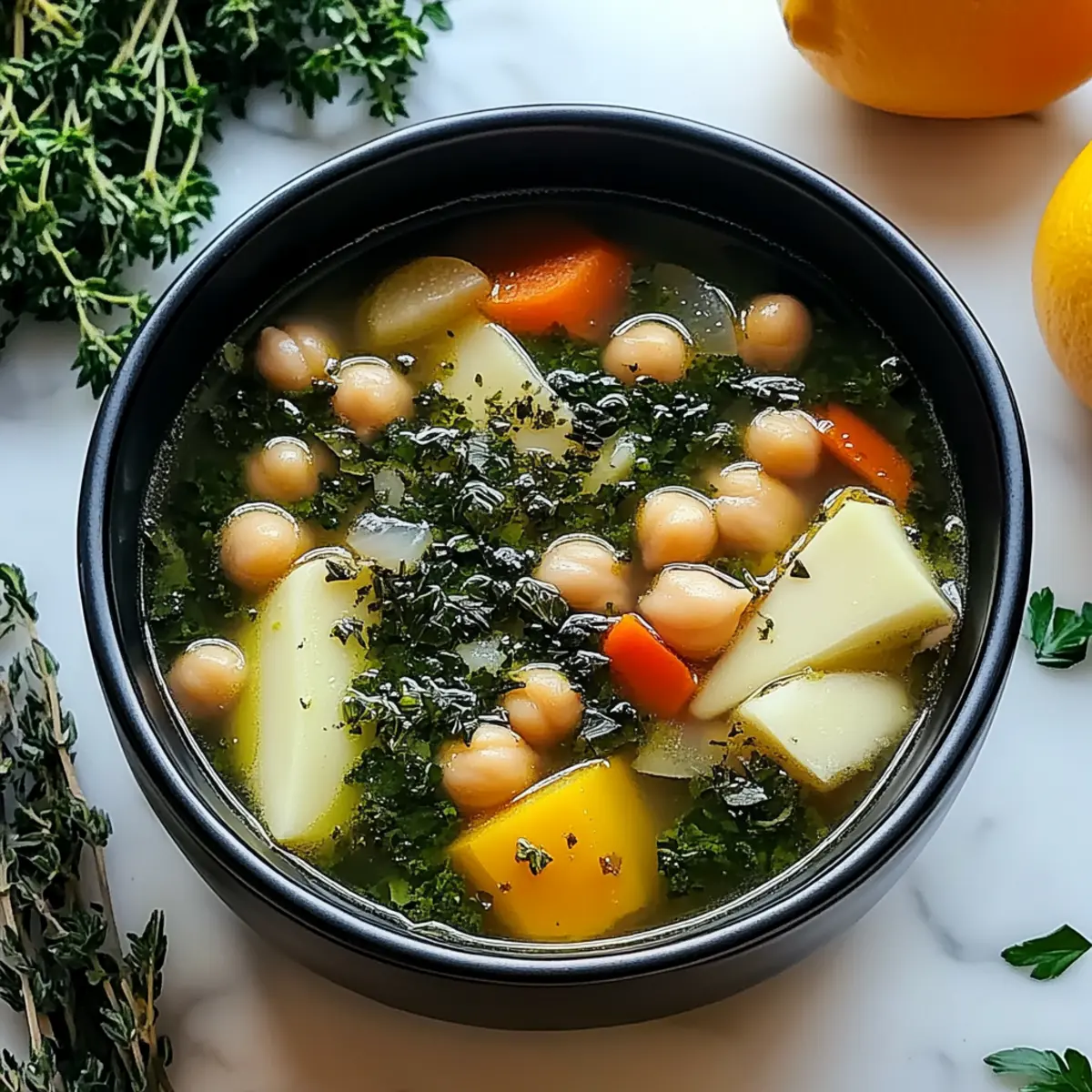
How to Store and Freeze Greek Healing Soup
Fridge: Store leftovers in an airtight container for up to 4-5 days to keep them fresh and flavorful.
Freezer: For longer storage, freeze Greek Healing Soup in airtight freezer bags or containers for up to 3 months. Make sure to leave space for expansion.
Reheating: Thaw frozen soup in the fridge overnight. Reheat gently on the stove over low heat or in the microwave until heated through, stirring occasionally.
Portioning: Consider portioning the soup into single servings before freezing, making it easy to grab a quick, nutritious meal whenever you need one.
Greek Healing Soup: Customize Your Bowl
Feel free to adapt this recipe to match your taste buds and pantry ingredients, creating a unique and delicious experience every time you make it!
- Lentils: Swap chickpeas for lentils for a heartier, protein-packed alternative that absorbs flavors beautifully.
- Quinoa: Add cooked quinoa during the last 10 minutes of simmering for an extra boost of nutrients and a delightful texture.
- Seasonal Veggies: Modify the vegetable selection based on seasonal availability; think vibrant peas or fresh corn for a sweet twist.
- Citrus Zing: Experiment with different citrus juices like lime or orange instead of lemon for a bright, refreshing flavor enhancement.
- Spice It Up: Add a pinch of red pepper flakes or a dash of hot sauce for some warmth and a delightful kick.
- Creamy Touch: Stir in a spoonful of coconut milk or a dollop of Greek yogurt just before serving for added creaminess and richness.
- Herbal Kick: Fresh herbs like basil or dill can be used instead of parsley for a unique aromatic flair to finish off the soup.
- Sweet Potato: Consider using sweet potatoes in place of regular potatoes for a touch of natural sweetness and comforting texture.
This Greek Healing Soup is not just a meal; it’s your canvas! For more delightful recipes like Healing Chicken Soup and Pumpkin Chicken Soup, explore and find your next favorite dish!
What to Serve with Greek Healing Soup
Warm your heart and elevate your dining experience with delightful accompaniments to complement your nutritious bowl of Greek Healing Soup.
- Crusty Bread: Dive into a slice of rustic bread, perfect for soaking up every last drop of the flavorful soup.
- Mixed Greens Salad: A fresh salad with crispy greens, tomatoes, and a light vinaigrette adds a refreshing crunch and balances the dish’s warmth.
- Grilled Veggies: Smoky grilled zucchini and bell peppers introduce a robust flavor that pairs beautifully with the soup’s herbal notes.
- Feta Cheese Crumbles: Sprinkle some tangy feta on top for a creamy contrast that enhances the Mediterranean experience.
- Lemon-Water: Sip on citrusy lemon-water to cleanse your palate and harmonize with the bright flavors of the soup.
- Dessert Option – Greek Yogurt with Honey: End your meal on a sweet note with creamy Greek yogurt drizzled with honey and garnished with nuts, adding a comforting finish to your dining experience.
Expert Tips for Greek Healing Soup
-
Fresh Ingredients Matter: Use the freshest vegetables and herbs for the best flavor; wilted greens can affect the soup’s overall taste and texture.
-
Seasoning Adjustments: Always taste before serving. Adjust salt and pepper as needed to ensure the Greek Healing Soup has a well-rounded flavor.
-
Cooking Times: Avoid overcooking garlic, as it can become bitter; add it early but be cautious not to let it brown.
-
Make It Your Own: Feel free to substitute veggies based on what you have. This flexibility allows you to personalize your Greek Healing Soup to suit your taste!
-
Store Wisely: Keep leftovers in airtight containers to preserve freshness for up to 4-5 days. Gently reheat on the stove for optimal taste.
-
Add a Protein Boost: For extra heartiness, consider adding cooked lentils or grains like quinoa during the last few minutes of simmering.
Make Ahead Options
These Greek Healing Soup preparations are perfect for busy weeknights, allowing you to enjoy homemade goodness with minimal effort! You can chop all your vegetables (onion, carrots, celery, potato, zucchini, and greens) up to 24 hours in advance and store them in an airtight container in the refrigerator. For added convenience, you can also sauté the onions and garlic, then refrigerate that mixture for up to 3 days. When you’re ready to serve, simply combine the prepped ingredients with vegetable broth and chickpeas in a pot, bring it to a boil, and simmer until the vegetables are tender. This way, you’ll have a delicious, nourishing Greek Healing Soup that’s just as delightful as when freshly made!
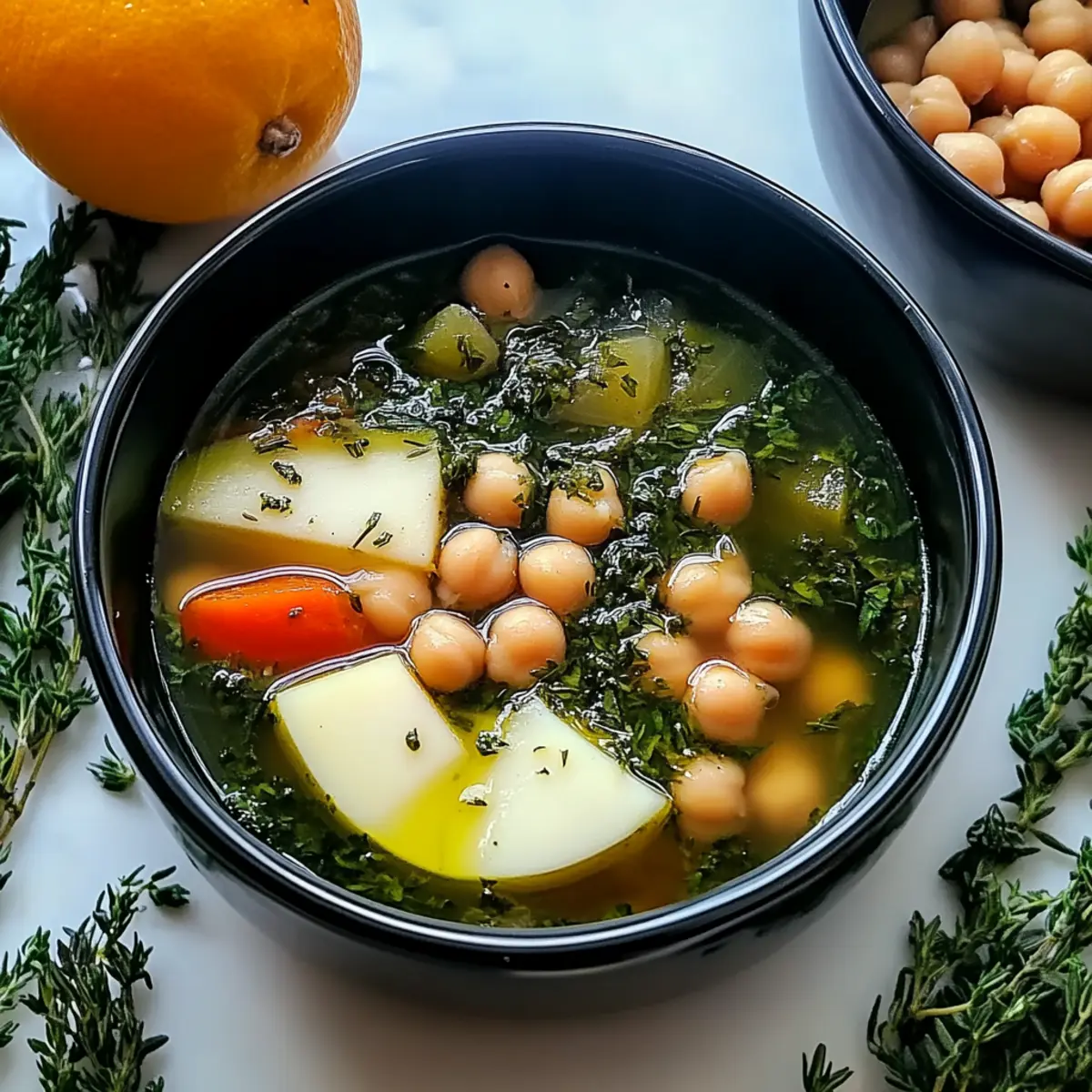
Greek Healing Soup Recipe FAQs
What type of chickpeas should I use for Greek Healing Soup?
I recommend using canned chickpeas for convenience and speed. However, if you prefer dried chickpeas, they’ll work beautifully too! Just soak them overnight and cook them in the soup for a longer time—about 40-50 minutes or until tender.
How should I store leftover Greek Healing Soup?
Leftovers can be stored in airtight containers for up to 4-5 days in the refrigerator. Just make sure to let the soup cool down to room temperature before sealing it up to maintain its freshness.
Can Greek Healing Soup be frozen?
Absolutely! You can freeze Greek Healing Soup in airtight freezer bags or containers for up to 3 months. Just leave a little space at the top of the container for expansion. When you’re ready to enjoy, thaw it in the refrigerator overnight.
What if I don’t have fresh lemon juice?
No worries! Although fresh lemon juice provides the best flavor, you can substitute it with bottled lemon juice if that’s all you have. Just use a little less than the recipe calls for, as bottled juice can be more concentrated.
Are there any allergy considerations for this recipe?
This soup is naturally vegetarian and can be made gluten-free by ensuring your broth is certified gluten-free. If you have allergies to any specific vegetables or legumes, feel free to swap them out as I suggested throughout! Always check your broth and chickpeas for any hidden allergens.
How can I enhance the flavor of my Greek Healing Soup?
To boost flavor, consider sautéing some spices like paprika or adding a dash of hot sauce before serving. You can also finish off the soup with a drizzle of high-quality olive oil for a touch of richness. Enjoy experimenting with herbs or even adding some feta for a true Mediterranean experience.
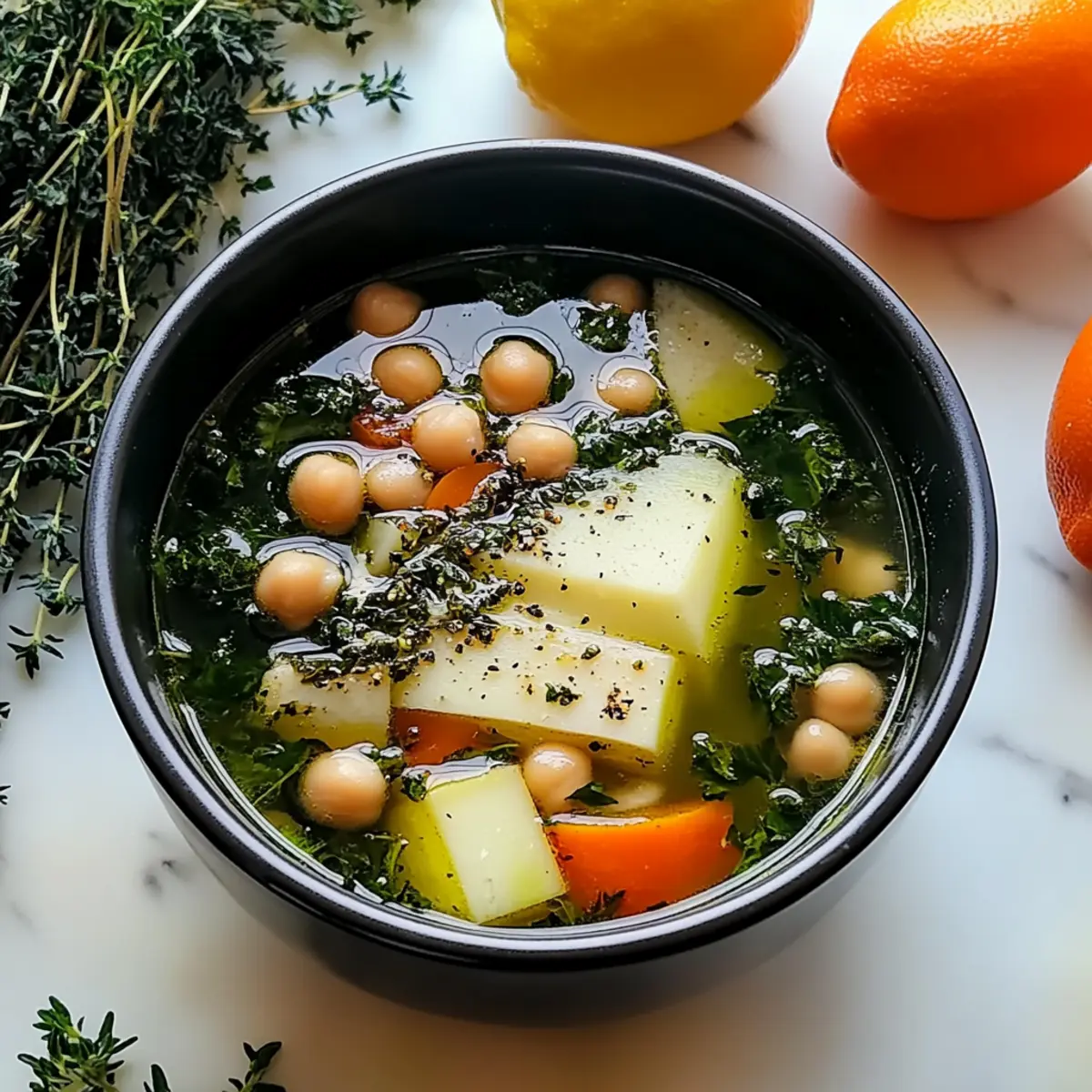
Greek Healing Soup: A Cozy Immune-Boosting Bowl
Ingredients
Equipment
Method
- In a large pot, heat 2 tablespoons of olive oil over medium heat until shimmering, about 2 minutes.
- Add one chopped onion to the pot and sauté for about 5 minutes, stirring frequently, until the onion is soft and translucent.
- Stir in 3 minced garlic cloves and cook for 1 minute until fragrant.
- Add 2 diced carrots and 2 chopped celery stalks to the pot. Cook for another 5 minutes, stirring occasionally.
- Add a diced potato and one diced zucchini to the pot, stirring to combine. Cook for 5 minutes.
- Pour in 6 cups of vegetable broth, then add one can of drained chickpeas along with seasonings. Stir well.
- Bring the mixture to a boil, then reduce the heat to a simmer. Cover the pot and let it simmer for 20 minutes.
- Stir in 2 cups of chopped kale or spinach, cover the pot again, and let it sit for about 2-3 minutes.
- Remove the pot from heat and squeeze in the juice of one fresh lemon. Stir gently.
- Ladle the hot soup into bowls and garnish with freshly chopped parsley.
Leave a Reply